Book Review: Shaking Postwar Japanese Art from the Ground Up and Overlapping It with the Contemporary World. "Early Postwar Japanese Art and Engagement"
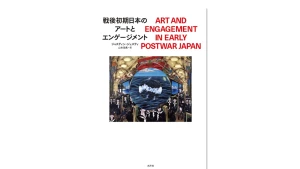
 This book re-examines the relationship between art and politics in early postwar Japan, focusing on "transformative avant-garde" to offer insights for the modern world.
Summary
Justin Jesty's book critically re-examines the relationship between art and politics in early postwar Japan during the unstable 1950s, challenging the dominant historical narrative that focuses on the "explosive avant-garde" leading up to the 1960s. Jesty highlights constructive and creative practices he terms the "transformative avant-garde," which emphasize "commitment, organization, goal-orientation, and gradual change," concepts aligning with contemporary socially engaged art discourse. The analysis of Maruki Iri and Maruki Toshi's *The Atomic Bomb Paintings* exemplifies this, showing how the work's creation, exhibition, and dissemination through community support served as an alternative political intervention. The book meticulously discusses Reportage Painting, the Sōzō Biiku Kyōkai (Creative Education Association), and the Kyushu School, revealing their shared orientation with the "democratic culture" formed by citizens at the time. Ultimately, the book is significant for offering profound insights into navigating the unstable contemporary world through these constructive artistic practices.
(Source:美術手帖)