[Review] Kokoro Kimura's Critique of the Exhibition "Inclusivity and L"
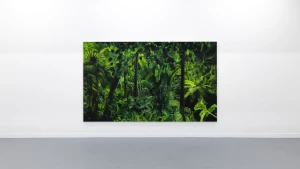
 This exhibition explores the dynamics of self-transformation through engagement with others, intersecting landscape philosophy with queer resistance under the theme of "inclusivity."
Summary
Kokoro Kimura's review of the exhibition "Inclusivity and L" frames the concept of "inclusivity" as a dynamic process of self-transformation resulting from engagement with others, akin to an amoeba absorbing microorganisms. The exhibition features works like Yuki Hasegawa's paintings of plants and Taichi Nakamura's river fishing scenes, which suggest the equivalence of life beyond anthropocentric views. These are linked to Eastern landscape philosophy, particularly the idea promoted by "Sansui Tokyo" that humans and nature exist undifferentiated as subject and object within the flux of all things. Rui Mizuki's work focuses on pioneer plants in urban settings, examining the negotiation of boundaries between humans and nature in the city. Conversely, the Hanboku suru Niwa Project questions the assumed state of the "normal" by juxtaposing marginalized beings—such as invasive species targeted for eradication and queer bodies—to reveal how societal norms are temporarily agreed-upon constructs. The review concludes that the exhibition finds common energy in landscape philosophy and queer resistance in their shared goal of questioning norms, allowing the viewing experience itself to become an act of practicing inclusivity as the audience imagines connections between works and their relationship to themselves.
(Source:ART iT)