What Did the YBAs Change, and What Did They Marginalize? An Interview with a Curator from Tate Britain's Contemporary Art Department on Their Innovation and Legacy (Interviewer: Hiroki Yamamoto)
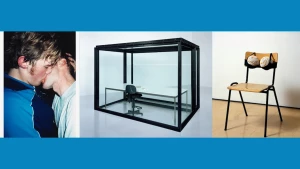
 Tate Britain curator Helen Little defines YBAs as an "attitude" rather than a "style," discussing their innovation and legacy.
Summary
This article features an interview with Helen Little, a curator from Tate Britain's Contemporary Art Department, regarding the exhibition "Tate Museum — YBA & BEYOND: 90s British Art That Changed the World." Little defines the Young British Artists (YBAs) not as a "style" but as an "attitude" stemming from the social division and instability following Thatcherism. Many YBA artists, often from working-class backgrounds, emerged during a time before art education became overly corporate, allowing diverse individuals to explore identity through art. They responded intuitively to their era, using unconventional materials to infuse everyday reality and authenticity into their work. Furthermore, the transformation of urban structures, such as the emergence of cheap studio spaces in East London, fostered their entrepreneurial spirit, enabling them to control not only production but also the presentation of their art to different audiences. A key aspect of the YBAs was their rebellion against the elitist art establishment of the 1980s; they took the initiative to occupy spaces, create their own studios, and organize their own exhibitions.
(Source:Tokyo Art Beat)